US Treasury Secretary Scott Bessent faced an unusual line of questioning on Capitol Hill on Wednesday. Rep. Brad Sherman (D-CA) pressed him on whether the federal government could step in to “bail out Bitcoin” during a downturn.
It comes as Bitcoin and the broader digital asset market bleed, with the pioneer crypto down by over 40% from its all-time high (ATH) and nearly 30% from its 2026 peak.
Sponsored
Sponsored
Treasury Clarifies: No Federal Bailout for Bitcoin, Investors Bear Full Risk
The exchange, part of a hearing before the House Financial Services Committee, highlighted both the decentralized nature of Bitcoin and the limitations of US financial authorities in stabilizing digital assets.
“Does the Treasury Department… have the authority to bail out Bitcoin?” Sherman asked, referencing the 2008 financial bailouts that rescued major banks and Wall Street firms.
Bessent paused before asking for clarification: “What exactly does ‘bail out Bitcoin’ mean?” Sherman elaborated, asking whether the Treasury could direct US banks to purchase Bitcoin or deploy taxpayer dollars to support the Bitcoin price.
Indeed, the pioneer crypto needs saving, as it falls nearly 45% from its ATH of $126,199 on the Binance exchange and early 30% from its 2026 high of $97,924.
“I am Secretary of the Treasury. I do not have the authority to do that, and as chair of FSOC [the Financial Stability Oversight Council], I do not have that authority,” Bessent articulated.
The Secretary’s answer effectively rules out any federal safety net for Bitcoin investors. It also reaffirms Bitcoin’s status as a fully decentralized asset, free from government intervention.
This reminder likely contributed to Bitcoin’s 3% intra-day decline on Wednesday, though broader market weakness also played a role.
Sponsored
Sponsored
Seized Bitcoin Shows Government Gains
Despite the lack of a bailout, Bessent highlighted a different form of government exposure to crypto: seized Bitcoin holdings.
The Treasury retains portions of Bitcoin confiscated through law enforcement actions, some of which have appreciated dramatically over time.
“One billion of Bitcoin was seized, 500 million was retained, and that 500 million has become over 15 billion,” Bessent noted, pointing to the passive gains Washington has realized without committing additional taxpayer resources.
Sponsored
Sponsored
While Capitol Hill Drama Highlights Crypto’s Regulatory Gap
The hearing also devolved into broader theatrics, illustrating the unusual intersection of crypto, politics, and policy.
Moments later, Democratic Rep. Gregory Meeks (D-NY) questioned Bessent on whether the Office of the Comptroller of the Currency (OCC) would withhold a bank charter from a Trump-linked crypto firm amid ongoing investigations.
The exchange quickly escalated into a personal confrontation, with Meeks accusing Bessent of political favoritism and the committee chair intervening to restore order.
The bizarre back-and-forth highlights the challenges lawmakers face when addressing crypto in traditional regulatory frameworks.
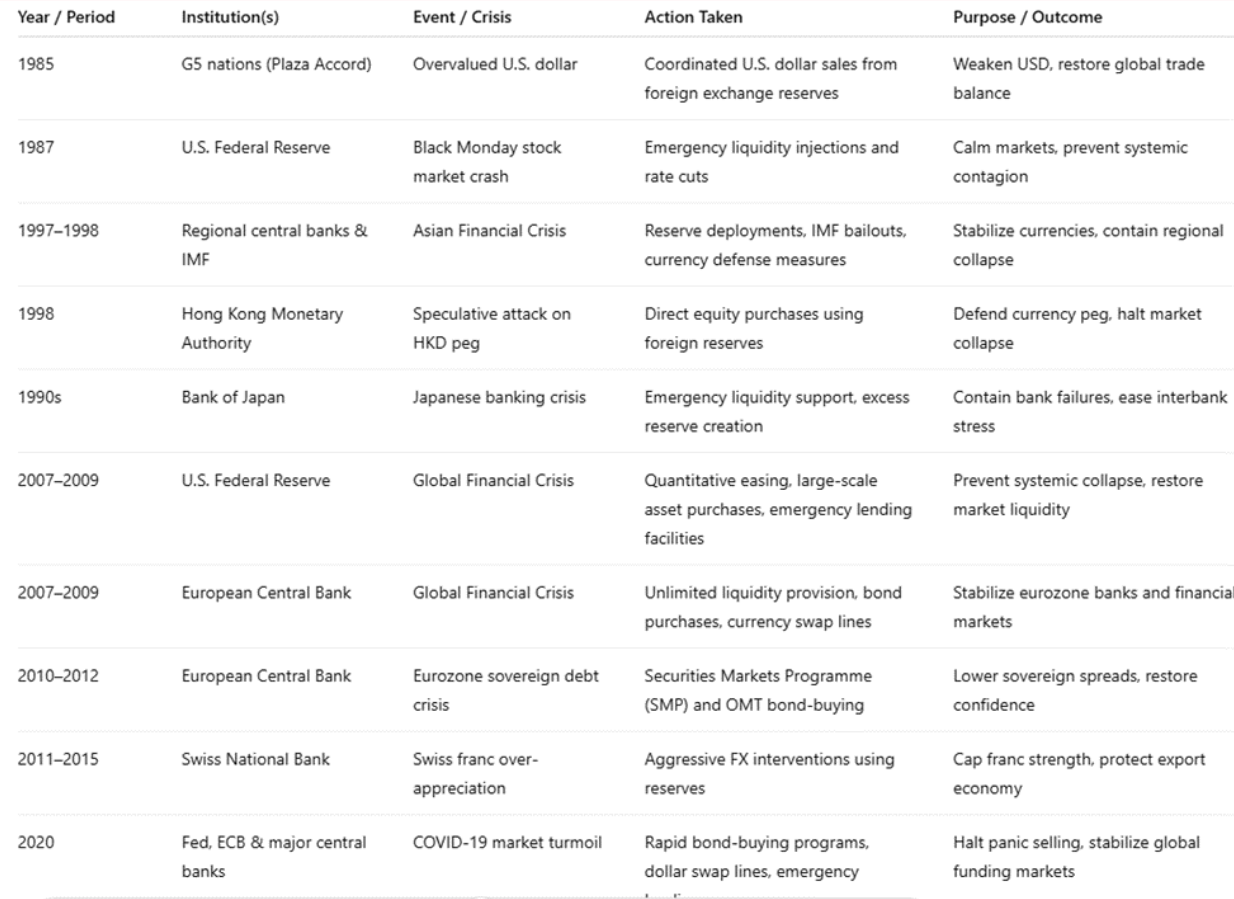
While conventional financial institutions have access to federal bailouts during crises, Bitcoin operates independently of government control. This means investors bear the full risk of price volatility.
Sponsored
Sponsored
The hearing also touched on Treasury strategies for broader economic growth. Bessent touted President Donald Trump’s “parallel prosperity” agenda, emphasizing policies to foster simultaneous expansion on Wall Street and Main Street.
He also defended the administration’s tariff policies and reaffirmed support for a strong US dollar, citing ongoing concerns over currency valuation.
There is a message for the crypto market behind Bessent’s testimony. Bitcoin, despite its growing institutional adoption, remains immune to government backstops.
The market may continue to experience sharp swings without relief from the US authorities. This reality mirrors the fundamental difference between decentralized digital assets and TradFi instruments.